 Written by Maria Danuco
 Researched by Jane Pipkin
Not sure what Nagoya has to offer? Hint: probably more than you think. Japan’s fourth-largest city has popular theme parks — including Ghibli Park — as well as traditional attractions, like the Grand Sumo Tournament held each July. Read on for our top recommendations on what to do in Nagoya.
Pro tip: Book a private customized tour to see the best of Nagoya.
Convinced already? Here’s how to get from Tokyo to Nagoya.
Haven’t really heard of Nagoya? It’s OK, we don’t blame you. Most travelers only pass through Nagoya on the Shinkansen between Tokyo and Osaka (or Kyoto).
But thanks to some serious PR efforts plus Ghibli Park, we imagine more people will be stopping in Nagoya from now on. And of course there are all the other things to see and do (and eat!) in Nagoya.
1. Top pick: Ghibli Park
Explore the magical world of Studio GhibliPrice ranges from ¥3,300 to ¥7,800
We recommend booking this day tour that includes Ghibli Park admission and round-trip transport from Nagoya.
Coming down from Tokyo? A one-way JTB plan from ¥33,800 covers a non-reserved Shinkansen seat, the round-trip bus from Nagoya Station, and a Premium pass for all five areas.
Ghibli Park is the world’s only Studio Ghibli theme park (though Tokyo has the smaller Ghibli Museum).
Like the Ghibli Museum, Ghibli Park is a celebration of all things Studio Ghibli. We especially like how many of the displays make you feel like you’re really in a Ghibli film. There are lots of exhibitions and immersive spaces — but no big rides, or anything digital.

While you can buy tickets directly for Ghibli Park, it’s a somewhat complicated process that must be done months in advance. Instead we recommend booking this day tour that includes Ghibli Park admission and round-trip transport from Nagoya.
Ghibli Park is located in Aichi Commemorative Park on the outskirts of Nagoya. Want to know more? We have a full guide to Ghibli Park for you.
2. Grand Sumo Tournament (July)
Summer is the season for sumo in NagoyaFrom ¥3,500
Ticket information
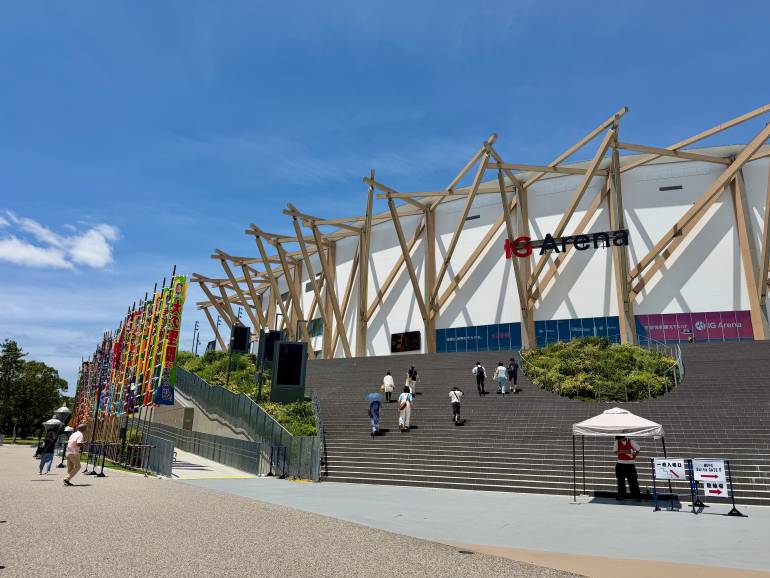
Always wanted to see sumo? Nagoya’s annual Grand Sumo Tournament takes place every July. It’s a great opportunity to see a sumo tournament, especially if you missed the Tokyo ones. The tournament lasts for about two weeks, and the tickets usually go on sale sometime in May.
3. Ōsu shopping district
Browse the shops and visit Ōsu KannonLove shopping? Then Ōsu shopping district may well be the place for you — it has some 1,200 shops and facilities, after all. Don’t expect high-end luxury brands, though — Ōsu is more laid-back than that. Expect to find shops selling vintage clothing, anime and pop-culture merch, and other assorted goods.

There are also plenty of places to grab a drink and a bite to eat, ranging from restaurants and cafés, to street food and numerous izakaya (Japanese-style bar).
Pro tip: Book a private tour with a local English-speaking guide to make sure you visit all the best spots.
Detour: Ōsu Kannon
While you’re in the area don’t forget to swing by Ōsu Kannon, a Buddhist temple on the western side of the shopping district. It was originally built in 1333, in Gifu Prefecture, but was moved to Nagoya in 1612.
It’s an interesting place to visit, and much calmer than the nearby shopping area. If you’re in the mood you can feed the pigeons, or catch a puppet show at the karakuri clock. The six-minute mechanical puppet show tells the story of Muneharu Tokugawa (1696–1764), who contributed a lot to the economic and cultural growth of Nagoya during his lifetime.
4. Legoland Japan Resort
Get creative at Japan’s largest Lego parkFrom ¥4,900 for adults
Book here for a discount
Legoland Japan Resort is aimed at children but is still fun for adults. Along with classic theme park rides and attractions, Legoland has hands-on Lego-building workshops and a factory tour.
We especially liked all the Lego sculptures you can find around the park — complete with signs showing how many Lego bricks were used and how long it took to make. Oh, and did we mention that even the food is Lego-shaped?

You can buy tickets at the gate on the day (there’s a ¥500 per-ticket fee for that), but we recommend booking online in advance, where prices start at ¥4,900 for adults and ¥3,700 for children (ages 3–18).
Legoland is set on a small island in the Port of Nagoya, south of the city center, but easily reachable by train. It takes about 30 minutes to get there from Nagoya Station, with no need to transfer. For more details about getting there (and other things), check out our guide to Legoland Japan Resort.
5. Atsuta Shrine
An important shrine in a beautiful wooded parkAtsuta Shrine is a famous and very important Shinto shrine in Nagoya. It’s dedicated to the sun goddess Amaterasu and houses a legendary sword called Kusanagi-no-Tsurugi.
While the shrine and its lore are very interesting, to be honest, our favorite part was the forested area surrounding it — which reminded us a lot of Meiji Jingū in Tokyo.
You could easily spend an hour or two wandering through the lovely wooded park, and finding lots of small shrines and altars along the way. But even better, when you get tired, you can head to Kusanagi Hiroba, a plaza area that was redesigned in 2021.
Set around the Minami-Shinike pond, the plaza features beautiful rest areas, a souvenir shop, and even a restaurant selling kishimen (Nagoya-style flat udon noodles).
6. Unique shrines: Miwa Shrine and Inu Shrine
Get some luck from the animalsAfter visiting Atsuta Shrine, why not visit two more rather unique shrines?
The first is Miwa Shrine, loved for its cute rabbit motifs and even cuter rabbit goshuin (shrine stamps). The shrine is known for bringing good fortune in many aspects of life, especially love. Just make sure to pet the rabbit statue.
Slightly further out is the Inu Shrine — inu means dog and, as the name indicates, this shrine has many distinctive dog statues. This shrine enshrines the god of safe childbirth, fertility, and protection from evil. It is said that pregnant women who rub the statues can find good luck for safe deliveries.
7. Nagoya Castle
One for the history buffs¥1,000 for adults (from October 1, 2026)
Nagoya Castle was originally built in the early 1600s, but was mostly destroyed by firebombing during World War II. However, some parts have been restored and are open to the public.
It’s an excellent place to go and learn about castle life during the Edo period (1603–1867). The Honmaru Palace is especially good for this, as it has lots of signage in English and Japanese explaining the purpose of each room.

Tickets cost ¥1,000 for adults from October 1, 2026 (up from ¥500). A day pass for the Me~guru Sightseeing Bus gets you a discount, though the discounted price after the rise hadn’t been published when we checked.
Pro tip: If you’re into history and hiking, consider taking a day trip to the Nakasendō — an old trade route that once connected Edo (present-day Tokyo) and Kyoto. You can even join Nakasendo day tours from Nagoya.
8. Tokugawa Garden
A historic Japanese-style garden¥300 for adults
Tokugawa Garden is another site in Nagoya with a long history. It originally belonged to the Owari-Tokugawa clan; however, they turned it over to the city of Nagoya in 1931. Tokugawa Garden was opened to the public in 1932, but like Nagoya Castle it was destroyed by firebombing during World War II.
The garden was only reopened to the public again in 2004. These days, it offers a calm escape from city life. We especially love the large pond at the center of the garden — not only is it full of koi fish, but it’s beautifully clear.
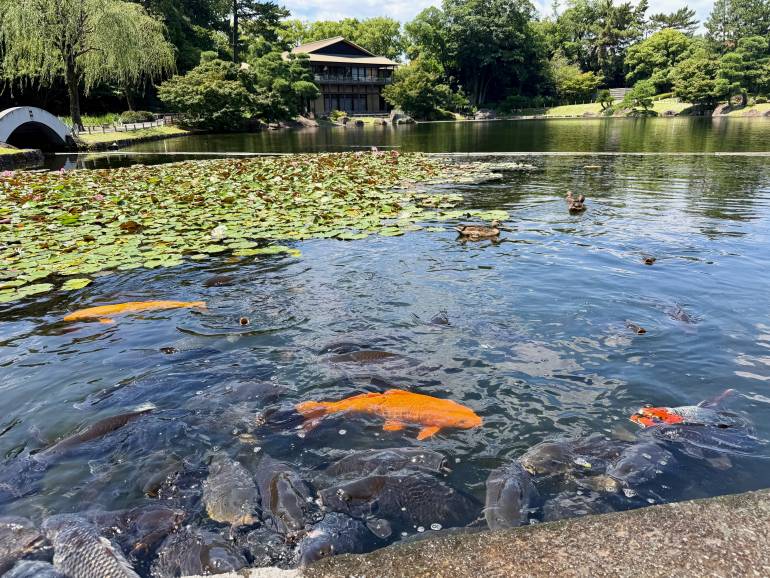
You can get tickets for ¥300 for adults, but if you have a day pass for the Me~guru Sightseeing Bus it’s only ¥240. You can also buy combo tickets for Tokugawa Garden and the Tokugawa Art Museum, which is next door.
9. Nagoya City Science Museum
Home to a really cool planetarium¥500 for adults (from October 1, 2026)
Nagoya City Science Museum’s claim to fame is that it’s home to one of the world’s largest planetariums. Of course, this is in addition to a number of impressive displays and exhibitions on all areas of science. It’s definitely the kind of place where you can easily spend an entire day, especially if you’re into science and technology.

From October 1, 2026, museum-only tickets cost ¥500 for adults (up from ¥400), but we recommend splurging on the combo museum and planetarium tickets for ¥1,000 (up from ¥800). Me~guru day-pass holders get discounted admission, though the updated discount prices hadn’t been published when we checked.
10. Sky Promenade
See Nagoya from above¥1,000 on weekdays / ¥1,200 on weekends (for adults)
Book here
See the city from up high at Nagoya’s highest observation deck, the Sky Promenade. Offering views from 220 meters high, this 360-degree observation deck gives visitors a chance to admire the whole city.
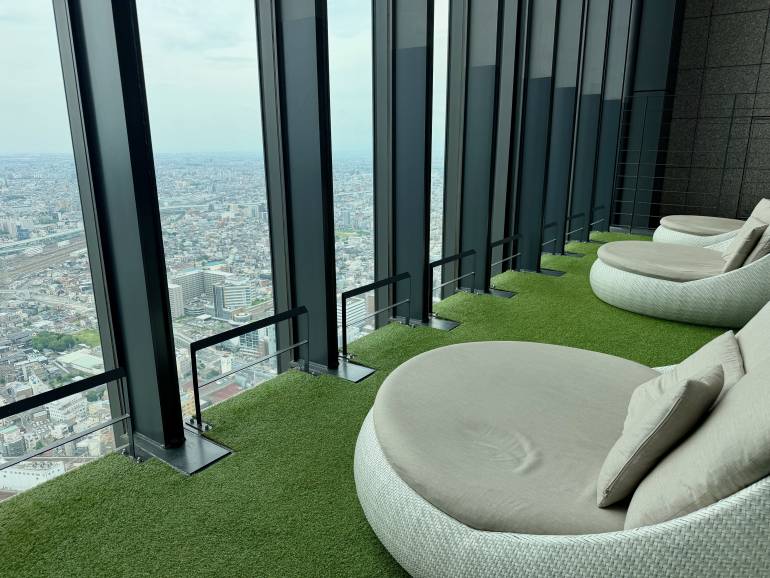
With places to sit down — including a cozy sofa area — as well as a seasonal BBQ in the middle of the deck, there’s more than one way to enjoy these incredible views. Although it’s nice during the day, when you get to see each tiny detail of the city, we reckon it’s better to go at night.
11. Matcha
Find matcha from Nishio CityThough Kyoto might be known as the matcha capital of the country (and for good reason), Nagoya is also home to many good matcha spots. This is not only because of the immense popularity of the powdered green tea, but because the city has a strong local tea culture — being located not too far from Nishio City, a place that produces around 20% of all matcha in Japan.
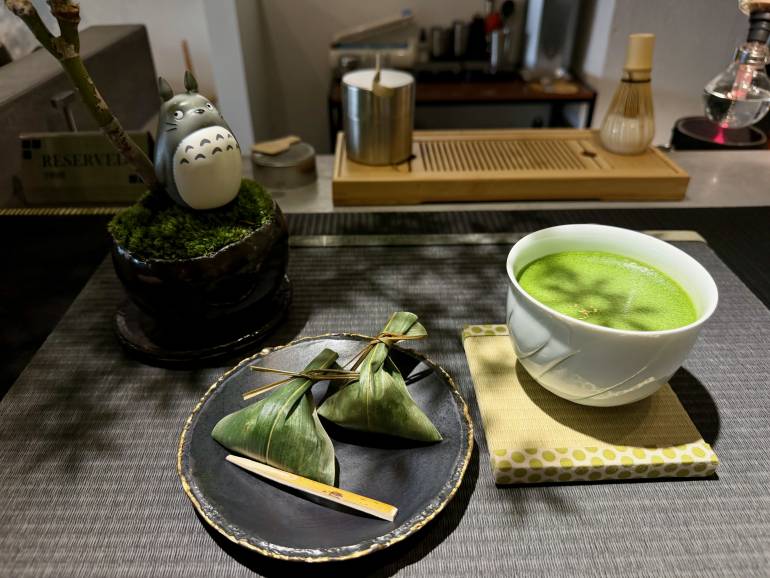
And where to go for matcha? Our top picks are Saijoen Matcha Cafe and Saihon no Ma. The former, Saijoen, is actually one of the leaders in the matcha market — producing this “Nishio Matcha”. Located near Nagoya Station, this shop serves authentic matcha and some of the best matcha Basque cheesecake we’ve ever tried.
Meanwhile, Saihon no Ma offers a completely different experience. Known mainly for its siphon coffee and variety of teas, this café allows you to slow down and enjoy the beauty of your perfectly made drink alongside some bonsai trees. It’s a unique concept — one which we thoroughly enjoyed. And of course, the matcha.
12. Bar
Discover local spiritsShould you enjoy a drink or two, Nagoya has you covered. From plenty of sports bars to some more intimate ones that really focus on mixology, you could just spend the evening (or day) jumping between a few.
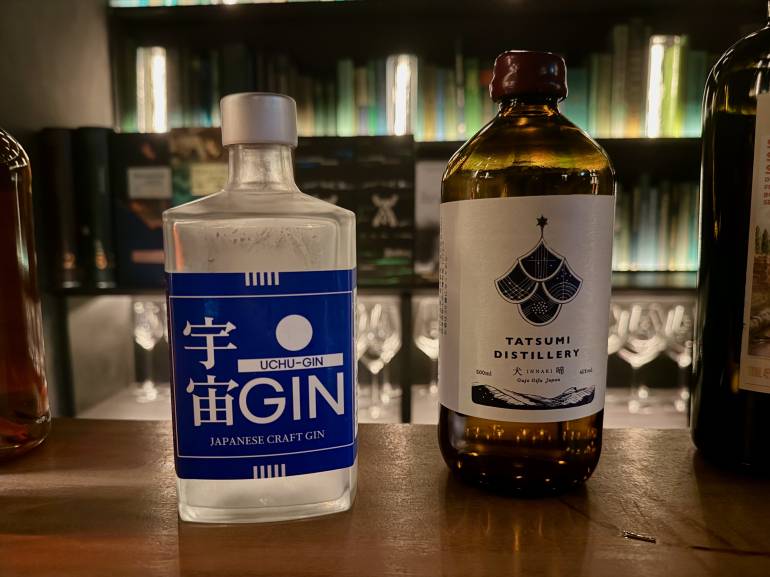
However, if you only have time for one, make it the aptly named BAR. What makes this bar worth the visit isn’t just its intimate atmosphere but the bartender’s knowledge. He can tell you everything about whisky — even the history of each bottle. He can also introduce you to some Nagoya-based spirits. So you get both a relaxing drink and a history lesson.
13. Miso katsu
Try Nagoya’s most famous dishWhen you’re hungry in Nagoya there are lots of local specialties to choose from. But if we have to pick just one to recommend it would be miso katsu.
Miso katsu is a variation of tonkatsu, or breaded and deep-fried pork, topped with a sauce and often served with rice. Nagoya’s version comes with a special sauce made of red miso. This sauce gives miso katsu a much richer flavor than regular tonkatsu.

If you’re unsure about the flavor, some restaurants offer a half-and-half dish — as in half of the tonkatsu is topped with regular sauce and the other half is topped with red miso sauce. We love this because it really allows you to compare the different flavors and settle on which one is your favorite.
Pro tip: Nagoya is a fantastic foodie destination, so of course there’s no better place to join a cooking class.
14. Ogura toast
Nagoya’s most well-known breakfast foodIf you aren’t too full from the miso katsu, then you need to get some ogura toast. For those unfamiliar with what this is, it’s a thick slice of toast topped with chunky red bean paste and melted butter. It was originally created and served in a kissaten (old-school coffee shop) in Nagoya and has been a local treasure ever since.
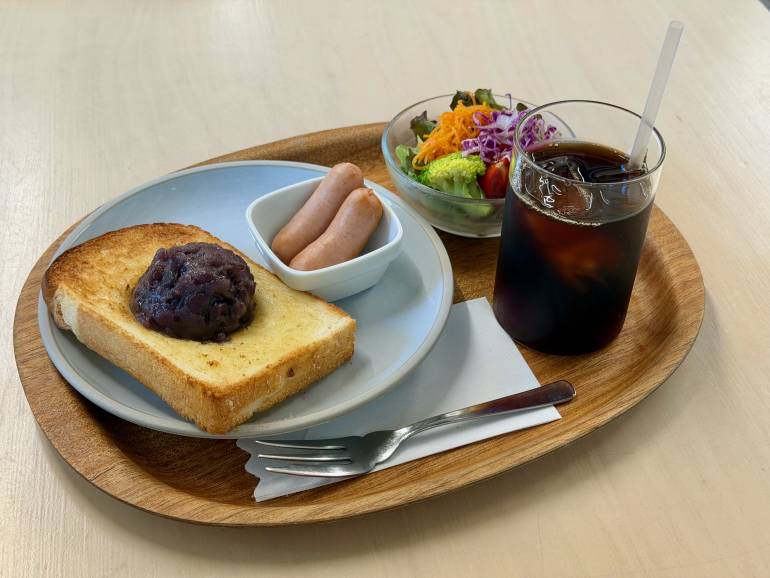
And where to try this delicious breakfast food — even if it’s now well past breakfast time? There are quite a few places to choose from. Our top recommendations are Kissa Nanaban and Bucyo Coffee.
15. Day trip: Shirakawagō
Visit the Japanese countrysideIn the mood to travel further afield? Then head out to Shirakawagō. This picturesque village in Gifu Prefecture might seem a little far from Nagoya, but it’s a popular day trip.
Shirakawagō is a World Heritage Site that has maintained a lot of its traditional architecture. It’s especially popular during winter, when there are light-up events that make the village feel even more like a fairytale.

If you want to make a day trip of this, we recommend joining a tour. It includes round-trip bus fare from Nagoya, and you can upgrade to include lunch as well.
Nagoya FAQs
What is special about Nagoya?
As mentioned above, Nagoya is the fourth-largest city in Japan. Although it has a reputation for being boring, it’s actually rich in history, symbolized by Nagoya Castle. There’s also quite a bit of industrial history, and — as with other regions of Japan — a distinctive local food culture.
How much is the bullet train from Tokyo to Nagoya?
It depends on which Shinkansen service you take. The Nozomi and Hikari Tōkaidō Shinkansen services are slightly more expensive at around ¥11,300, but will get you there in about 1 hour 35 minutes (Nozomi) to 1 hour 50 minutes (Hikari).
You can save a bit of money if you take the Kodama, the slower service. You can also use your JR Pass — just note that the pass doesn’t cover the Nozomi, so pass holders should take the Hikari or Kodama.
While we do our best to ensure information is correct, pricing and other details are subject to change. Post first published in 2023. Last updated: September 2026.