 Written by JC Team
From Thursday, October 29, 2026, tapping a contactless credit card (or the phone it lives in) on a bus, tram, or local train in Kumamoto Prefecture gets you half fare. There is nothing to register for and no pass to buy. The discount runs until the money set aside for it runs out, and nobody has said when that will be.
The scheme is called the Kumamoto Support Project. Seven local transport operators are running it with SMBC Card, JCB, JTB, and SMBC Bank, and it was announced on October 14 as a recovery push after the magnitude 7.1 earthquake that hit the prefecture on July 28.
There is also a practical reason behind the campaign: Kumamoto’s buses, trams, and the Kumamoto Electric Railway switch to a tap-to-pay commuter pass in April 2027, and the operators want riders to get used to tapping a card at the reader before then.
What is covered
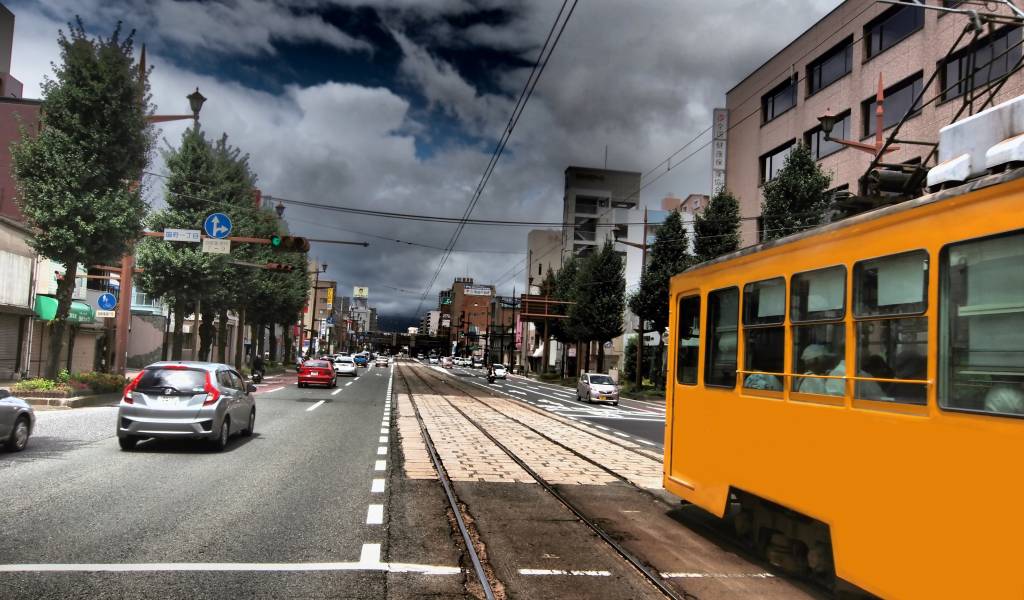
Any bus route with a card reader on board run by Kyūshū Sankō Bus, Sankō Bus, Kumamoto Bus, Kumamoto Toshi Bus, or Kumamoto Electric Railway, plus the Kumamoto City Tram (all lines), the Kumamoto Electric Railway trains (all lines), and the Minami-Aso Railway between Takamori and Tateno.
The Hinokuni-gō highway bus between Tenjin in Fukuoka and Sakuramachi Bus Terminal in Kumamoto counts too, on both the Kyūshū Sankō and Nishitetsu runs. For anyone doing Fukuoka and Kumamoto on one trip, that is the big one.
Exclusions
The Airport Limousine bus, Kyūshū Ōdan Bus (Kumamoto to Aso, Kurokawa Onsen, Yufuin, and Beppu), Takachiho-gō, Yamabiko-gō to Ōita, Takamori-gō, and Aso-san summit line are NOT covered.
Tickets bought at a counter or machine are out as well, even if you pay for them by card. So are cash fares and transit IC cards such as Suica. Trains that run through to Higo-Ōzu Station do not take contactless payment at all.
Example fares
These are the operators’ own examples. Regular fare first, campaign fare second.
| Trip | Regular | With a tap |
|---|---|---|
| Kumamoto Station to Tōrichōsuji (tram or bus) | ¥200 | ¥100 |
| Sakuramachi Bus Terminal to Kikuchi Onsen (Kumamoto Electric Railway bus) | ¥1,180 | ¥590 |
| Sakuramachi Bus Terminal to Tsūjunkyō bridge (Kumamoto Bus) | ¥1,480 | ¥740 |
| Sakuramachi Bus Terminal to Hondo Bus Center, Amakusa (Sankō Bus) | ¥2,700 | ¥1,350 |
| Tenjin, Fukuoka to Sakuramachi, Kumamoto (Hinokuni-gō) | ¥2,500 | ¥1,250 |
How it works
Tap the same card on the reader when you get on and again when you get off. The reader shows the full fare, which looks alarming the first time, but the half-price amount is what gets charged. You can check what you actually paid on the Q-move site (Japanese only).
Visa, Mastercard, JCB, American Express, Diners Club, Discover, and UnionPay all work, as credit, debit, or prepaid, and as a physical card or one loaded into a phone or watch. The operators’ terms say nothing about where the card was issued, so a card from home should be fine. Foreign transaction fees are between you and your bank.
Note: The Hinokuni-gō already had its own card perk, half off your fourth ride on the same card. That one is paused while this campaign runs, since every ride is half price from the first tap.
How long it lasts
There is no end date, only a budget. When it is used up, the discount stops, and the operators say they will post the end on their websites once it is decided. If you are coming to Kumamoto this autumn or winter, treat the half fare as a bonus rather than something to build the trip around.
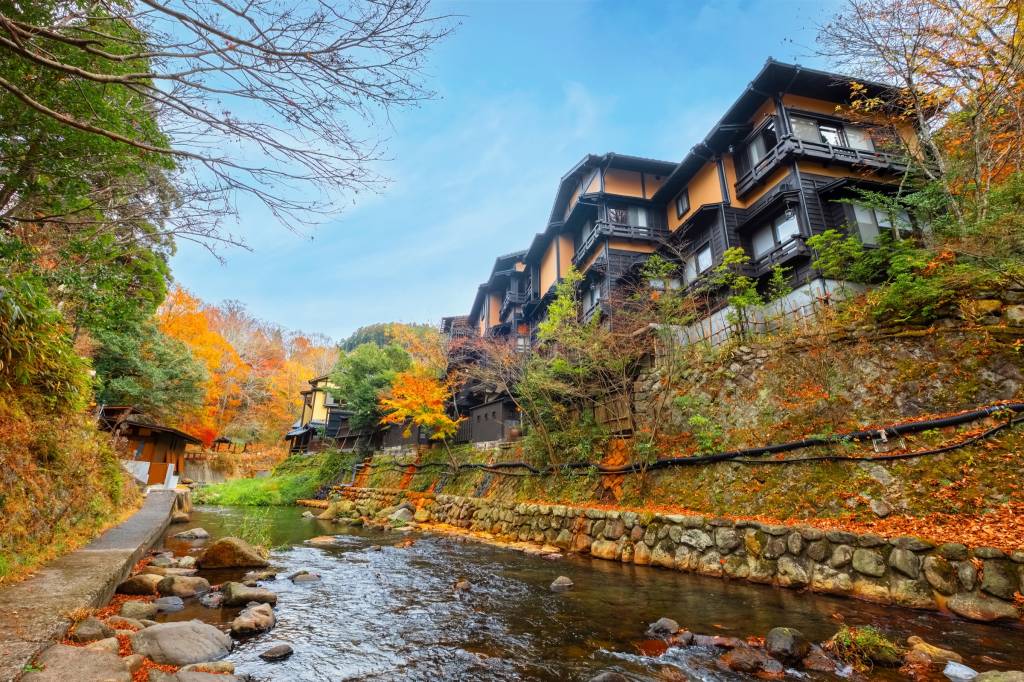
If Kurokawa Onsen is on the itinerary, the direct Kyūshū Ōdan Bus from Kumamoto is excluded, so our Kurokawa Onsen guide has the fares you will pay there.
Source: Kumamoto Support Project press release (PDF)
While we do our best to ensure it’s correct, information is subject to change.