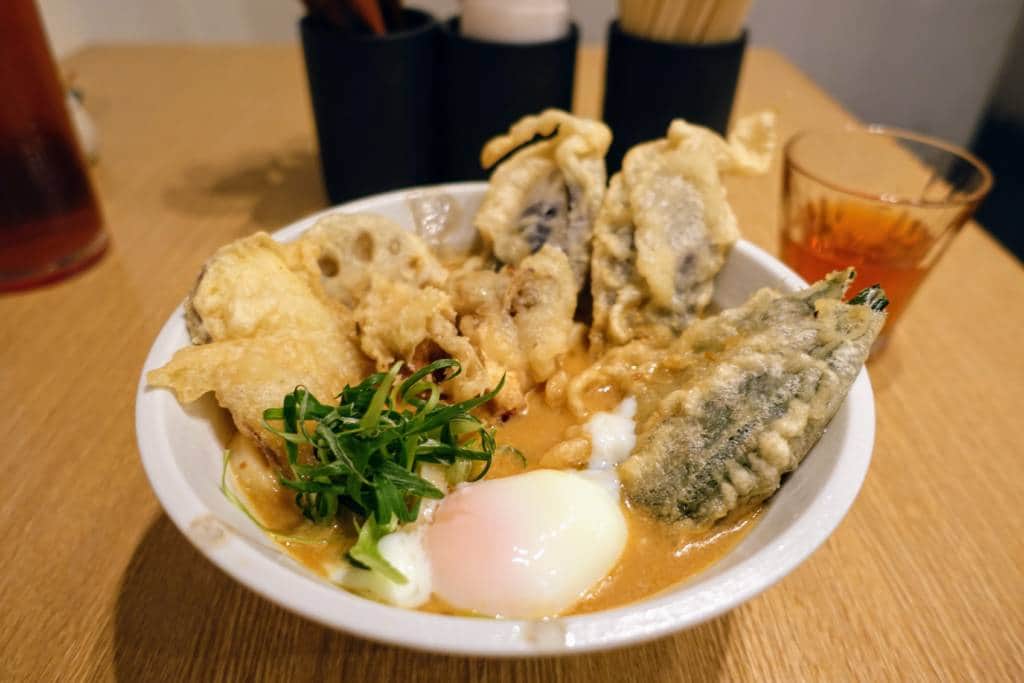
Drinking matcha in Kyoto is a quintessential Japanese experience. Tourists and locals alike have a fondness for this Japanese green tea, and its popularity is unquestionable. The world of matcha is vast -- from food and drinks to cosmetics and skincare, matcha-inspired goods are everywhere. So for a matcha lover visiting Kyoto, where do you start? Here's everything you need to know, with recommendations for the best matcha spots in Kyoto. Note: Japan is currently experiencing a matcha shortage, so some stores in Kyoto and beyond are limiting the amount of matcha you can purchase. Additionally, some smaller tea shops are closed because of this. What is matcha? At the most basic level, matcha is a type of green tea. Although it originally came from China, it's now mostly made in Japan, and is the main type of tea used in traditional tea ceremonies. It has quite a strong and slightly bitter flavor, so it's usually served with wagashi -- traditional Japanese sweets for balance. What's the difference between matcha and green tea? Matcha is different from green tea because of the way it's grown and processed. While matcha comes from the same plant that is used in other teas, the plants are covered to avoid direct sunlight. The covered tea bushes grow slower, and produce different chemicals to uncovered plants. When the tea bushes are harvested, the leaves are steamed and then left to dry flat. Once they're dry, the stems and veins are removed, and the leaves are ground up into a fine powder. This powder is what we know as matcha. How do you make matcha? Unlike most teas, matcha comes as a powder, not as leaves or tea bags. When you make it, rather than steeping or brewing it, you just mix it with hot (80°C) water. The temperature is important: if you use boiling water, the matcha will be very bitter. Also, you only need to use a small amount of powder, just 1 or 2 grams, for each cup of matcha you make. Usually, you would whisk the matcha and hot water together, like in a tea ceremony. If you're preparing it at home, you could try another method, but it might not come out as frothy. Why is Kyoto famous for matcha? Green teas originated in China and came to Japan via Buddhist priests sometime around 800 to 900 CE. Then in 1191, a priest by the name of Eisai is said to have brought the first tea seeds to Japan. Tea cultivation spread throughout the country, including to the city of Uji in southern Kyoto Prefecture. Over time, tea grown in Uji became more and more popular, and the city gained a reputation for producing the highest quality tea in Japan. That popularity and reputation continue until this day -- if you visit Uji, you'll find no end to the different types of matcha and tea-related products available. Where can I find the best matcha in Kyoto? We'll be honest with you: no matter where you buy them, most of the matcha and matcha products in Kyoto are pretty darn good. You can find matcha powder in almost every souvenir store, and many cafés will have at least one matcha-flavored item on the menu. But if you want to make sure you're getting something good, look for matcha sourced from Uji. Want to take some matcha home with you? See The Best Places To Buy Matcha in Kyoto. Uji: The matcha capital No matcha lover's trip to Kyoto is complete without a day trip to Uji. Uji is a small city, just 35 minutes by train south of Kyoto City. The area has a centuries-long reputation as the producer of the highest quality matcha in Japan, so you know you're in for a treat. All of the main attractions in Uji are within walking distance of one another, and you can easily spend a day immersed in everything matcha. There are numerous cafés and restaurants around serving up matcha and matcha-infused things, from cakes to noodles. Plus, don't miss the traditional tea shops and tea factories. For an exceptional experience, visit Nakamura Tokichi Honten, a historic teahouse in Uji. Founded by Nakamura Tokichi, who revolutionized the local tea industry, it's known for its high-quality matcha and parfaits. Note, you might have to wait a while to get a table. While in the area, throw in some visits to Uji's famous temples, and you've got a great day planned out. If you'd like a more exclusive experience, we recommend booking this private matcha experience at Nakamura Tokichi Honten. Through this, you can explore the world of matcha and even try your hand at grinding matcha leaves. Tea ceremonies in Kyoto Book this Kyoto tea ceremony for its affordability and great location. Tea ceremonies are an excellent way to learn about Japanese tea culture. We recommend booking a tea ceremony experience where you get to try your hand at making a bowl of matcha, as opposed to just drinking it. There are numerous tea houses throughout Kyoto where you can experience a tea ceremony, so your choices are seemingly endless. You can choose between a (generally the pricier option) or a group one, opt to during the experience, or even attend a tea ceremony hosted by a maiko (apprentice geisha). Last time we were in Kyoto, we opted for a group tea ceremony not only for affordability, but also the tea house's location -- it was just a stone's throw away from Kiyomizudera Temple. Traditional matcha sweets After the tea itself, matcha-flavored traditional sweets are a must-try. Japanese traditional sweets, called wagashi, are usually small and light affairs, often made of rice flour. Some of the most common ones you'll find include: Mochi: Glutinous rice cakes that usually have a soft chewy texture, and can be either sweet or savory. There are lots of different variations that can be served alone or as part of another dish. Daifuku: A sweet type of mochi that's filled with red bean paste and often a piece of fresh fruit. Yatsuhashi: Another mochi variation, this time made of flat squares of mochi that are folded into triangles and filled with a flavored paste. Kyoto is famous for its yatsuhashi, and they make great souvenirs. Dango: Steamed dumplings made from glutinous rice flour. They can be either sweet or savory, and are served in small round balls on a skewer. Yōkan: A firm jelly-like sweet made from red bean paste, agar, and sugar. Normally, it's sold in a small block and served in slices. Uji is a great place to go looking for matcha-flavored wagashi. You can also sign up for a wagashi-making class and learn to make your own traditional Japanese sweets. Modern matcha sweets Matcha isn't just about tradition. There are plenty of cafés and restaurants serving up matcha desserts and sweets with a modern twist. Matcha-flavored cakes, cookies, and parfaits are all very common fare, but we particularly liked the matcha pancakes at Micasadeco & Café, which is near Nishiki Market. Other options for modern matcha desserts in Kyoto include Jouvencelle and Ain Soph Journey. At Jouvencelle, you can get a matcha fondue set, which is basically matcha-flavored dipping chocolate served with various sweets for dipping. When you're finished, the wait staff will pour warm milk into the remaining chocolate, so you can enjoy a matcha-y hot chocolate. Meanwhile, Ain Soph is a well-known vegan restaurant chain in Japan, and their branch in Kyoto offers a delicious matcha pancake. You need to get in early though, because quantities are limited. Unexpected savory matcha delights Last, but certainly not least on this list, is matcha-infused savory food. All over Kyoto -- and especially in Uji -- you'll come across some unexpected matcha-flavored offerings. Noodles are the most common variation, with lots of shops in Uji serving up matcha-infused ramen, udon, or soba. If you are looking for a recommendation in Gion, we suggest Itoh Kyuemon Gion, a shop and café that specializes in matcha soba. As well as noodles, you can also get matcha gyoza, croquettes, and even alcohol. Our personal favorite was the matcha chicken croquette we found at Hanayori Kiyoe in Nishiki Market. To be honest, we barely tasted the matcha (possibly a good thing), but the croquette was delicious. Another great option is Tsuen Teahouse in Uji, said to be the oldest tea house in Japan. There you can find matcha-infused soba noodles, along with a huge selection of sweets including ice creams and kakigōri (shaved ice). Also, in the area is Shunsai Gyoan Hasegawa, which, although known for its fish set meals, also offers matcha cake or tea, allowing you to enjoy the best of both worlds. Frequently asked questions Why is matcha so expensive? The production of matcha is very involved, something that lends itself to higher prices. There is a lot of price variation though, and you can often pick up small 20 gram canisters of matcha powder for under . And don't forget that with matcha, a little goes a long way -- one cup of matcha only uses 1 or 2 grams of powder. How do I tell if it's real matcha? If you're buying matcha in Kyoto or Uji, you don't really have to worry about buying "fake" matcha. But if you're concerned, check where the matcha was produced and the ingredients list. In this case, you're looking for tea produced in Kyoto or Uji, and the ingredient list should only contain green tea leaves. What's the best Japanese matcha brand? There are a number of different tea companies that produce matcha in Uji and Kyoto. For the best experience, we recommend buying your matcha directly from the company, for example from Nakamura Tokichi, Fukujuen or Tsuen Tea House. Otherwise, you can often find these matcha brands in souvenir shops. While we do our best to ensure it’s correct, information is subject to change. Last updated in January, 2025.

 The ultimate guide to Japan travel