 Written by Lucy Dayman
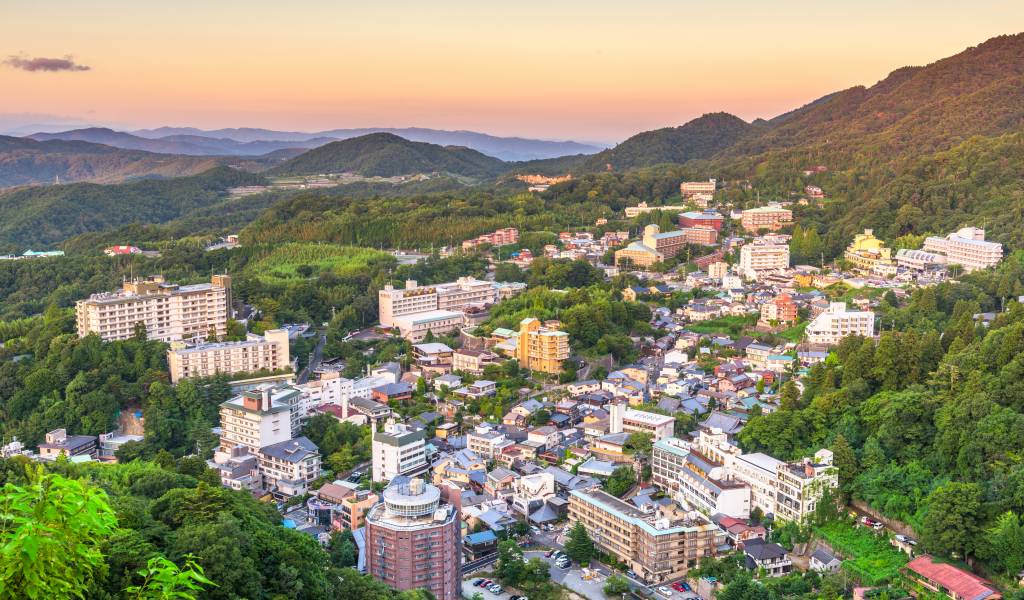
On the far side of Mount Rokkō from central Kobe, but still inside the city limits, Arima Onsen is a hot spring town that’s well worth a day trip, or even better a weekend escape. Overflowing with hot spring water and fascinating spiritual legends, it’s one of Japan’s three oldest hot springs, and it’s only about 30 minutes by train from Sannomiya.

A crash course in Arima history
Before soaking in the baths, it’s wisest to soak up a little history, and Arima has a lot to soak in. The town traces its story back about 1,300 years.
According to the origin legend of Tōsen Shrine, the town’s guardian shrine, two gods named Ōnamuchi and Sukunahikona came across three injured crows bathing in a puddle. A few days later the crows were healed, and the puddle turned out to be a hot spring.
The first written record is in the Nihon Shoki (the Chronicles of Japan), which notes that Emperor Jomei stayed at Arima for 86 days in 631 to enjoy the baths. Emperor Kōtoku followed in 647.
Buddhist monks kept the town going when its fortunes slipped. The eighth-century monk Gyōki is credited with reviving it, and after a flood wiped Arima out in 1097, a monk named Ninsai restored the springs and, in 1191, set up 12 lodgings for bathers. That’s said to be why so many inns here still have bō (a monk’s lodging) in their names.
Arima’s most famous regular was the warlord Hideyoshi Toyotomi, whose first recorded visit was in 1583. He’s also known as the Taikō, a title you’ll see all over town.
He held grand tea ceremonies here with tea master Sen no Rikyū, and when a 1596 earthquake sent the spring temperatures soaring, he ordered a major rebuild. The remains of his private baths only resurfaced after the Great Hanshin-Awaji Earthquake, about 400 years later.
What’s so great about the water?
What made Arima so popular is that it has two very different types of spring water. The first is kinsen (golden water). That isn’t just a euphemism for excellent water. It comes out of the ground clear but turns a cloudy reddish-brown almost immediately, thanks to all the iron in it, and it’s seriously salty too.
Sure, visually it takes a little getting used to (it’s fair to say it looks more rusty than gold), but for well over a thousand years, people have claimed that this water is excellent for alleviating muscle pain and improving your skin health.
The second is ginsen (silver water), which is less silver than kinsen is gold. It comes in two varieties: a carbonated spring that’s said to help circulation, and a radon spring that’s said to ease joint and muscle aches.

Where to soak
Arima has two public bathhouses run by the city, Kin no Yu and Gin no Yu, plus a free foot bath. With more time (and yen), you can also try a big spa complex or a hotel that opens its baths to day visitors. Here’s how they compare.
| Bath | Adult price | Hours | Closed | Tattoos |
|---|---|---|---|---|
| Taikō no Ashiyu foot bath | Free | Same as Kin no Yu | 2nd and 4th Tue. | n/a |
| Kin no Yu | ¥800 (weekdays ¥650) | 8 a.m.–10 p.m. | 2nd and 4th Tue., Jan. 1 | No published policy; call ahead |
| Gin no Yu | ¥700 (weekdays ¥550) | 9 a.m.–9 p.m. | 1st and 3rd Tue., Jan. 1 | No published policy; call ahead |
| Taikō no Yu | ¥2,970 (weekdays ¥2,750) + ¥75 bath tax | 10 a.m.–10 p.m. | A few set days a year | Not allowed |
| Arima Grand Hotel (day use) | ¥4,700 (weekdays ¥4,200), incl. ¥2,000 voucher | 10:30 a.m.–10:30 p.m. | Not stated | Not allowed in the large baths |
Free foot bath

Get a taste of the water by dipping your toes into the free Taikō no Ashiyu foot bath right next to Kin no Yu. It’s open to all, so give it a try before you go for the full-body experience.
It keeps Kin no Yu’s hours and closes on the second and fourth Tuesdays of the month. Plenty of locals drop by every day, and about 15 minutes is enough to warm you right through.
Kin no Yu: the golden water
The next port of call on the hot spring hopping adventure is Kin no Yu itself, a 5-minute walk from Arima Onsen Station and the classic place to try kinsen. The current building opened in 2002 as a revamp of the old Arima Onsen Kaikan, and it reopened on March 17, 2026, after a refit that kept it closed from early January. The men’s and women’s baths are themed on bamboo and autumn maples.
Entry is ¥800, or ¥650 on weekdays outside peak periods like New Year and Obon. Kids in elementary and junior high school pay ¥350, and preschoolers get in free.
It’s open 8 a.m.–10 p.m. (last entry 9:30 p.m.) and closes on the second and fourth Tuesdays of the month (the next day instead, if that Tuesday is a public holiday) and on January 1. Soap and shampoo are provided, but bring a towel or buy one at the counter.
Children: ¥350
Gin no Yu: the silver water
If you want to sample the silver water, head on over to Gin no Yu. It’s a 10-minute walk from the station, in the old temple district, and it’s a little more humble in size. The main bath is modeled on a rock bath Hideyoshi is said to have used, and there’s also a bubble bath and a steam sauna inspired by the steam baths of his day.
The complex opened in 2001, but what it lacks in history it makes up for in charm with its cozy ambiance and modern facilities. Entry is ¥700, or ¥550 on weekdays, and ¥300 for kids. It’s open 9 a.m.–9 p.m. (last entry 8:30 p.m.) and closes on the first and third Tuesdays and January 1, so the two bathhouses take turns closing on Tuesdays.
Children: ¥300
The 2-bath ticket
A ticket for both Kin no Yu and Gin no Yu costs ¥1,200 (adults only). On weekends and holidays, that saves you ¥300. On regular weekdays, it works out the same as paying at each door. There’s also a weekday-only version with a towel thrown in, so ask at the counter.
Pro tip: The old combo ticket that added the Taikō no Yudono-kan museum is no longer sold, but the museum is only ¥200 on its own.
Taikō no Yu: a full afternoon of soaking
If you’d rather spend the whole afternoon in loungewear, Taikō no Yu is a big modern spa with 26 baths, including kinsen and ginsen tubs, plus bedrock saunas. Adult entry is ¥2,750 on weekdays and ¥2,970 on weekends and holidays, plus a ¥75 bath tax, and it costs more at peak times like New Year and Obon. Come after 7:30 p.m. and it drops to ¥1,980 (¥2,090 on weekends).
Towels and loungewear are included, but there’s no re-entry once you leave. It’s open 10 a.m.–10 p.m. (last entry 9 p.m.), about 10 minutes on foot from the station, or you can hop on the shuttle bus. Note that it doesn’t admit anyone with tattoos.
Pro tip: If you’re coming by train, don’t pay at the door. Shintetsu’s Taikō no Yu Coupon (¥2,600) gets you a day of travel on the Kobe Electric Railway to and from Arima Onsen plus entry. Buy it at Shintetsu stations such as Tanigami. The Kobe Municipal Subway version (¥2,700, sold online via Surutto QRtto) also covers the subway from Sannomiya.
Arima Grand Hotel: the view (for a price)

For a more luxurious soak, look no further than the Arima Grand Hotel. Sitting on a rise above Arima Onsen town, it has some of the best views in the area.
If a night here is out of your budget, day guests are welcome. A day ticket for the Yurari baths on basement level two, which have golden-water and open-air tubs, costs ¥4,200 on weekdays and ¥4,700 on weekends and holidays, but ¥2,000 of that comes back as a voucher to spend in the hotel. After 5:30 p.m., a bath-only ticket is ¥2,700 (¥3,200 on weekends).
The ninth-floor view bath is only open to day visitors on a lunch plan, from ¥7,000, booked by the day before. Day bathing runs 10:30 a.m.–10:30 p.m. (last entry 9 p.m.).
Arima Onsen with tattoos
Tattoo policies vary from bath to bath in Arima. Taikō no Yu turns away anyone with tattoos, and the Arima Grand Hotel doesn’t allow them in its large baths. Kin no Yu and Gin no Yu don’t publish a policy on their official website, so check with the bath before you go (Kin no Yu: 078-904-0680; Gin no Yu: 078-904-0256).
How to get to Arima Onsen
From Kobe by train
From Sannomiya or Shin-Kobe, take the Kobe Municipal Subway to Tanigami Station. Change to the Kobe Electric Railway (Shintetsu) and ride to Arimaguchi, then change again for Arima Onsen Station, the end of the Arima Line. The trip takes about 30 minutes and costs ¥720 each way. From the station, it’s a 5-minute walk to Kin no Yu.
From Kobe by bus
JR’s Arima Express highway bus runs from Sannomiya Bus Terminal to Arima Onsen in about 30 minutes for ¥780, or ¥700 if you book an early-bird fare. It also stops at Shin-Kobe Station, about 45 minutes from Arima.
There are 8 departures on weekdays and 10 on weekends and holidays, between 8:50 a.m. and 2:50 p.m., and the last bus back leaves Arima at 4:55 p.m. All seats are reserved, so buy a ticket before you board.
Pro tip: At the Sannomiya bus ticket counter, ask for the Arima Onsen Yokubari Kippu. For ¥2,400 you get the round-trip bus plus entry to both Kin no Yu and Gin no Yu, and it’s valid for three days.
From Osaka by bus
The easiest way from Osaka is Hankyū’s highway bus from the Hankyū Sanbangai bus terminal in Umeda (some buses also stop at Shin-Osaka). It takes about 1 hour and costs ¥1,400 from Umeda or ¥1,250 from Shin-Osaka. Buses leave Umeda roughly hourly between 9 a.m. and 4:20 p.m., and the last bus back from Arima leaves at 5:40 p.m.
Seats are reserved, so buy a ticket in advance. Online sales, including in English through Japan Bus Online, open at 9 a.m. on the same date one month before you travel. JR’s Arima Express from Osaka Station is suspended for now, so don’t count on it.
Pro tip: Hankyū’s Taikō no Yu Bus-toku Ticket (¥3,870) bundles the round-trip bus from Umeda with entry to Taikō no Yu. Paying separately would cost more than ¥5,500. It can’t be used during the Golden Week, Obon, and New Year peaks.
From Osaka by train
By train, head to Sannomiya first (JR, Hankyū, and Hanshin all run there) and follow the Kobe directions above. From JR Osaka Station, the whole trip takes about 1 hour.
Alternatively, ride Hankyū or Hanshin through to Shinkaichi and change to the Shintetsu there. It’s slower, at about 1 hour and 20 minutes, but the fare from Hankyū’s Osaka-umeda Station is ¥1,110 all the way, and a few direct trains from Shinkaichi to Arima Onsen run in the mornings and evenings.
Over Mount Rokkō by ropeway
For the scenic route, combine a trip up Mount Rokkō with the Rokkō-Arima Ropeway, which takes 12 minutes to glide between the summit and Arima. From Kobe, take city bus 16 from JR Rokkōmichi, Hankyū Rokkō, or Hanshin Mikage to the Rokkō Cable lower station, ride the cable car up, then take the Rokkō Sanjō bus to the ropeway’s summit station by Rokkō Garden Terrace.
The ropeway alone is ¥1,400 one way, but the Rokkō-goe Arima Katamichi Kippu bundles all three mountain legs for ¥2,450. Cars leave every 20 minutes, from 9:30 a.m. to 5:30 p.m. on autumn weekdays (later on weekends) and until 5:10 p.m. in winter. High winds can stop it. Arima’s ropeway station is a 15-minute walk from the train station.
Prefer to let someone else drive? This bus tour from Osaka pairs Himeji Castle with 90 minutes in Arima and a stop on Mount Rokkō (bath entry not included).
Passes and combo tickets that actually save money
Most Kansai passes don’t help much for a simple Arima day trip, since the fares are low. These are the ones worth a look.
| Ticket | Price | What you get | Worth it if |
|---|---|---|---|
| Kin no Yu + Gin no Yu 2-bath ticket | ¥1,200 | One entry to each public bath | You’re bathing on a weekend or holiday |
| Arima Onsen Yokubari Kippu (JR bus) | ¥2,400 | Round-trip bus from Sannomiya plus both public baths | You’re coming from Kobe |
| Taikō no Yu Coupon (Shintetsu) | ¥2,600 | A day of Shintetsu travel to Arima plus Taikō no Yu entry | You want the big spa |
| Taikō no Yu Bus-toku Ticket (Hankyū) | ¥3,870 | Round-trip bus from Umeda plus Taikō no Yu entry | You want the big spa and you’re coming from Osaka |
| Kobe Travel Smart Passport (Basic, one day) | ¥2,500 | About 30 Kobe sights, including Kin no Yu and Gin no Yu | You’re also seeing several Kobe sights |
| Kansai Railway Pass Lite (two days) | ¥5,200 | Private railways and subways across Kansai, including Shintetsu (sold online only) | You’re riding a lot of non-JR trains over two days |
You may still see the Arima-Rokkō Shūyū 1day Pass mentioned online, but it isn’t on sale at the moment.
Between soaks

Arima’s signature snack is tansan senbei (carbonated crackers). Mitsumori Honpo, the oldest maker, uses the town’s carbonated spring water in the recipe, and Hiranoya Honpo makes all sorts of them too. Kin no Yu also keeps bottles of Arima Cider, the local soda, chilled.
For ¥200, the Taikō no Yudono-kan museum shows what’s left of Hideyoshi’s rock bath and steam bath, along with displays on Arima’s history. A special display of finds from the Yuyama ruins opened in August 2026. It’s open 9 a.m.–5 p.m. (last entry 4:30 p.m.) and closes on the second Wednesday of the month.
The town’s spring sources (gensen), including Tenjin Gensen, Gosho Gensen, and the Tansan Gensen park, are dotted around Arima, and you’ll find them on the map in the official Kin no Yu and Gin no Yu leaflet, so you can link them into a walk.
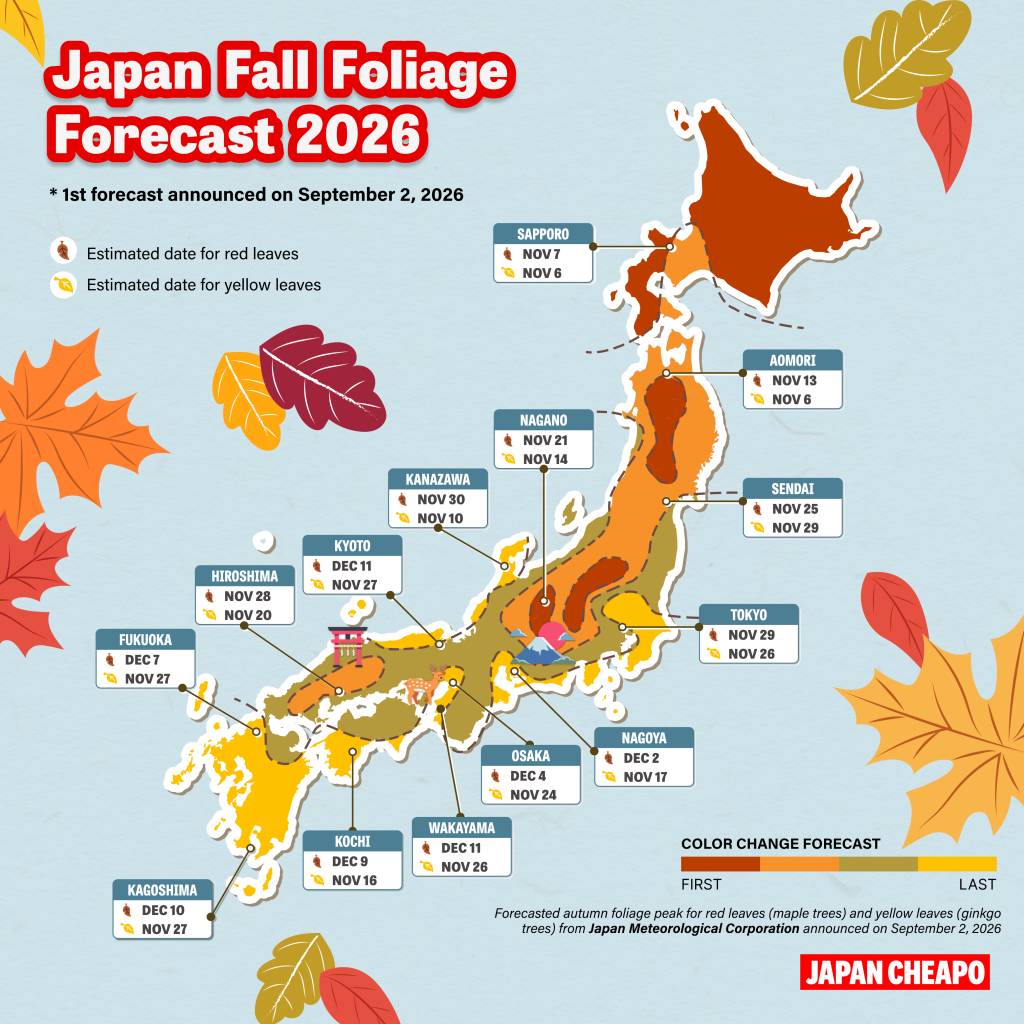
In autumn, Zuihō-ji Park is Arima’s best-known spot for red leaves. And on November 2 and 3, 2026, the town holds its 77th Arima Dai-Chakai, a grand tea gathering in memory of Hideyoshi.
Day trip or overnight?
The town is very easy to explore in one day, so if you’re looking for a quick escape from Osaka or Kobe, it’s a doable adventure. Just watch the last buses (4:55 p.m. to Sannomiya, 5:40 p.m. to Umeda); after that, it’s the train. That said, chances are you’ll want to try more than one bath, so an overnight stay is well worth it if your budget stretches.
Shopping for souvenirs? Bring your passport. From November 1, 2026, Japan switches from tax-free tills to a refund system for visitors, so check our guide to tax-free shopping in Japan before you buy.